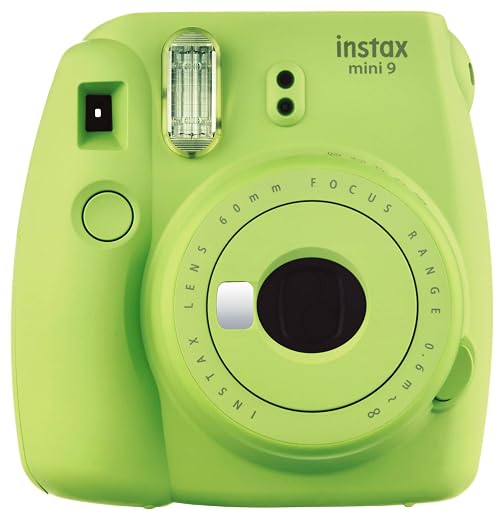
Fujifilm Instax Mini Film Assessment: Shelf Life and Handling Risks
The Fujifilm Instax Mini Film is an integral instant daylight color film designed for dedicated instant snapshot cameras, providing twenty exposures packaged across two ten-sheet cartridges. Our verdict on this consumable analog media is clear: while its chemical structure provides vibrant color reproduction and crisp clarity under good lighting, its small format offers zero margin…

As Amazon Associates, we earn from qualifying purchases. This means we may receive a small commission at no extra cost to you if you click through and make a purchase.
The Fujifilm Instax Mini Film is an integral instant daylight color film designed for dedicated instant snapshot cameras, providing twenty exposures packaged across two ten-sheet cartridges. Our verdict on this consumable analog media is clear: while its chemical structure provides vibrant color reproduction and crisp clarity under good lighting, its small format offers zero margin for exposure error or temperature mishandling. Casual snapshot photographers frequently search for instax fiji film assuming fool-proof operation, but the chemistry functions like a precision photographic emulsion that demands strict environmental compliance to prevent spoiled frames.
This twin cartridge package suits casual party photographers, scrapbook hobbyists, and family documentarians who value immediate tangible prints and operate within mild ambient temperatures. It does not suit professional photographers requiring wide dynamic range, nor will it satisfy users who routinely shoot in harsh winter freezes or intense summer heat where instant developer chemistry degrades. If you are comparing standalone packs against an all-in-one setup like an instax mini 12 bundle, understanding how the underlying film stock behaves is essential before investing in recurring cartridge packs.
Fujifilm Instax Mini Film spec sheet
| Brand | Fujifilm |
|---|---|
| Model Name | INSTAX MINI Twin Pack |
| Film Format | Instax Mini |
| Total Exposures | 20 photos (2 packs of 10) |
| Film Speed | High speed ISO 800 |
| Image Size | 2.13 x 3.4 inches |
| Film Finish | Glossy color daylight film |
| Item Weight | 0.02 kg |
| Warranty Description | 3 (the listing does not specify units) |
Every field from the listing (37)
| 0 | Brand, Fujifilm |
|---|---|
| 1 | Model Name, INSTAX MINI Twin Pack |
| 2 | Global Trade Identification Number, 00074101944686 |
| 3 | Item Highlight, The instax film ensures sharp |
| 4 | Unit Count, 20 Count |
| 5 | UPC, 074101944686 |
| 6 | Package Size Name, Twin Pack |
| 7 | Number of Items, 1 |
| 8 | Number of Packs, 2 |
| 9 | Built-In Media, PRODUCT |
| 10 | Item Weight, 0.02 kg |
| 11 | Manufacturer, FUJIFILM |
| 12 | Model Number, Fujifilm INSTAX Mini film Twin Pack |
| 13 | Manufacturer Part Number, Fujifilm INSTAX Mini film Twin Pack |
| 14 | Warranty Description, 3 |
| 15 | Model Series, Instax Mini |
| 16 | Best Sellers Rank, #27 in Electronics (See Top 100 in Electronics) #1 in Photographic Film |
| 17 | ASIN, B00EB4ADQW |
| 18 | Customer Reviews, 4.8 4.8 out of 5 stars (112,890) 4.8 out of 5 stars |
| 19 | Film Color, Colored |
| 20 | Film Format, Instax Mini |
| 21 | Exposure Count, 20 |
| 22 | Compatible Devices, Mini Camera |
| 23 | ISO Equivalent, 800 |
| 24 | Lighting Type, Daylight |
| 25 | Film Development Process, Instant |
| 26 | Compatible Camera Film Format Type, Instax Mini |
| 27 | Roll Quantity, 2 |
| 28 | Aspect Ratio, Unknown |
| 29 | Color, White |
| 30 | File Format, Instax Mini |
| 31 | Iso Range, 800 |
| 32 | Light Sensitivity, ISO 800 |
| 33 | Media Type, ProductImage |
| 34 | Water Resistance Level, Not Water Resistant |
| 35 | Film Format Type, Instax Mini |
| 36 | Exposures per Roll, 20 |
Quoted from the product listing. We did not measure these figures.
01Chemical Development and Emulsion Consistency
Instax film utilizes an integral chemical development system where each sheet carries an internal pod of reagent paste at the bottom border. When the camera expels an exposed sheet through motorized stainless-steel rollers, the pod ruptures, squeezing developer chemistry evenly across the latent image layers beneath the clear protective cover. While fiji film instax chemistry is widely acknowledged for consistent color balance, physical spread defects can still arise. If camera rollers accumulate dust or lose uniform mechanical pressure, the viscous reagent fails to spread smoothly, leaving pale developer streaks, blank chemical voids, or muddy brown mottling across the finished image.
Examining common instax mini film defects reveals that most chemical failures stem from rough handling or camera roller fouling rather than factory manufacturing flaws. When users apply physical pressure to an ejecting frame—such as flexing the border, gripping the image area, or shaking the sheet vigorously—the fragile internal layers shear apart. While legacy film habits encourage shaking fresh prints, modern integral film chemistry must rest undisturbed. Agitating the print risks displacing the alkaline reagent before the dyes stabilize, producing localized magenta shifts and ruined contrast.
Field instax mini film reliability depends on allowing the chemistry to develop on a flat surface undisturbed. The factory consistency of each sealed pack remains tight regarding emulsion thickness and developer volume. However, latent chemical flaws can appear as yellow or bluish edge flares if the reagent pod seal experiences pressure during transport. For users pairing cartridges with portable printing devices such as an instax mini link, keeping the output path and drive rollers spotless is essential for flawless chemical distribution.
02Environmental Sensitivity and Temperature Thresholds
The chemical performance of this emulsion relies heavily on temperature during both storage and the active development window. Strict fujifilm instax film storage requires keeping unopened cartridges in a cool, dry environment shielded from direct sunlight, radiator heat, and high humidity. If film cartridges sit inside a locked automobile, an uninsulated attic, or a warm backpack during hot summer months, the chemical developer cooks prematurely. Prolonged exposure to heat causes developer oxidation, which produces dull low-contrast blacks and an overall yellowish-green tint across every shot in the cartridge.
Ambient temperature during development introduces another critical failure vector. The chemical dyes resolve best within a moderate ambient temperature range between 41 and 104 degrees Fahrenheit. When shooting outdoors in winter conditions below 50 degrees Fahrenheit, the chemical reaction slows significantly, resulting in underdeveloped frames that appear pale, washed out, and low in contrast. In freezing weather, photographers must slip developing prints inside an interior coat pocket immediately so body warmth keeps the chemical reaction active.
Conversely, developing prints in sweltering heat accelerates chemical reduction too rapidly. High ambient heat forces the dye-couplers to react prematurely, shifting midtones into harsh magenta or reddish hues while blowing out highlight detail. If you refrigerate unopened foil packs to extend shelf freshness, you must allow the pack to reach room temperature for several hours before loading. Loading chilled cartridges into warm air produces condensation on the film surface, causing mechanical feeding jams and uneven chemical streaks.
03Exposure Latitude and High Speed Sensitivity
The official instax mini film specs designate this stock as an ISO 800 daylight-balanced color film. This high nominal sensitivity makes the film exceptionally practical for indoor social gatherings, party scenes, and dim environments where an integrated flash serves as the primary light source. Under electronic flash, the film renders skin tones smoothly alongside saturated background tones, producing lively and flattering snapshots. The glossy top sheet enhances perceived sharpness, giving portraits crisp optical definition despite the miniature print area.
The core challenge of shooting instax mini film iso 800 is its narrow dynamic latitude. Unlike traditional 35mm color negative films that easily tolerate multiple stops of overexposure, this integral instant film acts like a transparency slide emulsion. It possesses roughly three stops of usable latitude between plugged shadows and clipped highlights. In direct midday sun, bright light easily overwhelms the emulsion, leaving pale, blown-out skies and washing out subtle highlight textures in clothing or facial highlights.
Managing this high sensitivity requires careful attention to framing and backlighting. When using snapshot hardware such as a polaroid instax mini camera or an Instax Mini entry-level camera, strong backlighting often tricks the optical exposure sensor. The camera reads the bright background, stops down or shortens the exposure, leaving your subject underexposed in murky shadow. Because every instant sheet represents a one-way chemical investment, exposure mistakes cannot be recovered in post-processing.
04Mechanical Cartridge Mechanics and Loading Vulnerabilities
Every fujifilm instax mini twin pack provides two individually sealed plastic cartridges holding ten exposures each. Each cartridge stores the stacked film sheets behind a protective opaque plastic darkslide under constant internal spring tension. Proper loading relies on matching the yellow indicator stripe on the cartridge housing with the corresponding yellow alignment mark inside the camera film bay. Forcing the cartridge into the compartment crookedly will crack the thin plastic shell, destroying the light-tight seal and ruining the unexposed sheets.
A frequent failure point involves user error during cartridge insertion. When loading a fresh pack, depressing the center of the cartridge body violates the warning icons debossed directly onto the plastic frame. Pinching the pack compresses the internal spring mechanism, which can cause the camera motorized pick arm to hook multiple sheets at once. This double-feed condition causes instant mechanical jams, stripping delicate internal gears and ruining the entire ten-shot pack before a single photo is taken.
Compartment door discipline is equally essential for operational reliability. Opening the rear camera door after inserting a cartridge ruins the top exposure instantly, fogging the sheet to pure white upon ejection. Depending on ambient lighting brightness and how long the latch stays open, light often leaks around the reagent pods of the underlying second and third sheets. Maintaining strict operational discipline by keeping the film door locked until the counter displays zero is mandatory for reliable performance.
05Expiration Dating and Latent Chemistry Degradation
Every foil-wrapped pack features a stamped expiration date that generally indicates an operational shelf life of roughly eighteen to twenty-four months from the factory production date. Examining instax mini film expiration issues shows that unlike traditional silver-halide roll film that slowly loses speed over decades, integral instant film degrades rapidly once the expiration window lapses. The alkaline developer reagent contains moisture that gradually evaporates or oxidizes, regardless of whether the protective foil wrapper remains intact.
Shooting with expired cartridges introduces distinct visual defects. The earliest sign of expired chemistry is a noticeable increase in base fog, turning rich black shadows into flat charcoal gray or dull olive-green tones. As the chemical reagent pods lose moisture, the camera rollers cannot spread the thickening paste across the full image plane. This drying leads to large, irregular unexposed gaps along the upper borders of the photo where no developer reached the reactive emulsion.
Shoppers evaluating deeply discounted packs or older multipacks must weigh degradation risks against savings. While film expired by one or two months that has been stored in moderate indoor conditions may still yield acceptable casual photos, stock expired by a year or more carries a high rate of complete development failure. For weddings, parties, or travel projects where every exposure matters, purchasing factory-fresh stock with clear expiration dates is the only dependable option.
The verdict
Fujifilm Instax Mini Film
9.6/10
Buyer score
Overwhelmingly positive
Average star rating left by Amazon buyers, doubled to a 10-point scale. It is not a score we gave the product.
Deciding whether is instax mini film worth it requires balancing an appreciation for tactile analog chemistry against the operational limitations of small-format instant film. Fujifilm Instax Mini Film stands as the most accessible, mechanically reliable, and color-consistent integral instant film format available today. When utilized within its intended shooting envelope, it generates punchy contrast, vibrant colors, and distinctive credit-card-sized prints that digital displays simply cannot emulate. The high-speed ISO 800 rating ensures solid versatility for indoor celebrations and portrait sessions with electronic flash.
At the same time, treating this consumable film like forgiving digital media will lead to wasted packs and disappointing results. The integrated chemical pods remain sensitive to high ambient heat, prolonged aging, physical pressure, and roller spread inconsistencies. Maximizing reliability demands adhering to recommended storage practices, keeping camera rollers clean, and resisting the urge to touch or shake fresh prints. Handled with basic operational discipline, this twin pack delivers consistent, nostalgic instant prints that reward careful snapshot photographers.
Pros
- High speed ISO 800 daylight-balanced emulsion
- Vibrant color reproduction with glossy finish
- Compact and easy-to-file 2.13 x 3.4 inch format
- Convenient 20-exposure twin pack packaging
- Broad compatibility with Instax mini cameras
Cons
- Narrow dynamic exposure latitude in bright daylight
- Chemical developer sensitive to extreme heat and freezing
- Vulnerable to roller spread defects if handled roughly
Buy it if
- You want tangible physical prints instantly for photo scrapbooks, guest books, or personal crafts
- You primarily take indoor portrait snapshots with electronic flash or shoot outdoors under mild, indirect daylight
- You already own a compatible Fujifilm Instax Mini camera, hybrid instant camera, or portable instant printer
- You prefer standardized, self-contained plastic cartridges with clean drop-in loading and reliable factory calibration
Skip it if
- You require wide dynamic exposure latitude, fine-art color nuance, or large display-size physical prints
- You frequently shoot in extreme temperatures such as sub-freezing winters or intense desert heat without climate controls
- You are unwilling to tolerate chemical variances, mechanical feed risks, and unrecoverable missed shots
See it on AmazonAffiliate link. Price and stock change at Amazon, not here.
Questions buyers ask
Can you shake Fujifilm Instax Mini Film while it is developing?
No, you should never shake an Instax Mini print during development. The chemical developer paste is sealed between plastic layers, and shaking or bending the photo can displace the reagent, causing streaks, localized color shifts, or uneven development patches. Keep the developing print flat in a temperature-stable environment until the image appears completely.
How should you store unopened Instax Mini film packs?
Unopened film packs should be stored inside their original sealed foil packaging in a cool, dry room away from direct sunlight and heat sources. If you refrigerate film to preserve freshness in warm climates, always let the cartridge return to room temperature for several hours before loading it into your camera to avoid internal moisture condensation.
What happens if you open the camera door with film inside?
Opening the camera back while a cartridge is loaded immediately ruins the uppermost film sheet by exposing it to room light, causing it to eject completely white. Light may also leak past the edges of the subsequent two sheets, causing orange or white exposure flares on following shots.
Why do some Instax Mini photos develop completely white or black?
A completely white photo indicates severe overexposure or that the film sheet was accidentally exposed to light before being loaded. A completely black print usually indicates severe underexposure, such as taking a night shot without adequate flash coverage, or a mechanical shutter failure where the camera lens failed to open.
What is the shelf life of an unopened twin pack?
Fujifilm stamps each package with an expiration date, which typically provides a shelf life of eighteen to twenty-four months from manufacture. Using the film before this date ensures the chemical reagent paste remains fluid, enabling complete roller spread, accurate film speed, and balanced color rendition.
How the ratings split
Share of Amazon ratings at each star level, as shown on the listing.
What buyers wrote
Copied word for word from the Amazon listing. We did not edit or select for tone.
The film works great and is very easy to load into the camera. The pictures develop nicely with good color and that classic Instax look. The twin pack is convenient and gives you plenty of pictures for parties, trips, and special memories.
Granddaughter really enjoys her camera. Iikes to take many pictures. Works good for her
How this review was put together
- Specs are quoted from the Amazon listing, not measured in a lab.
- The score is the average star rating left by Amazon buyers, doubled to a 10-point scale.
- Prices were read from the listing when this page was last built and move without notice.
- Buyer quotes are reproduced word for word, with the name and date shown.
199 reviews · 1,445 rated products · 87 brands tracked
We earn a commission when you buy through our Amazon links. That never changes a score, because we do not set the scores.