JBL EasySing Mic Mini Analysis: Reliability, Limits, and Support
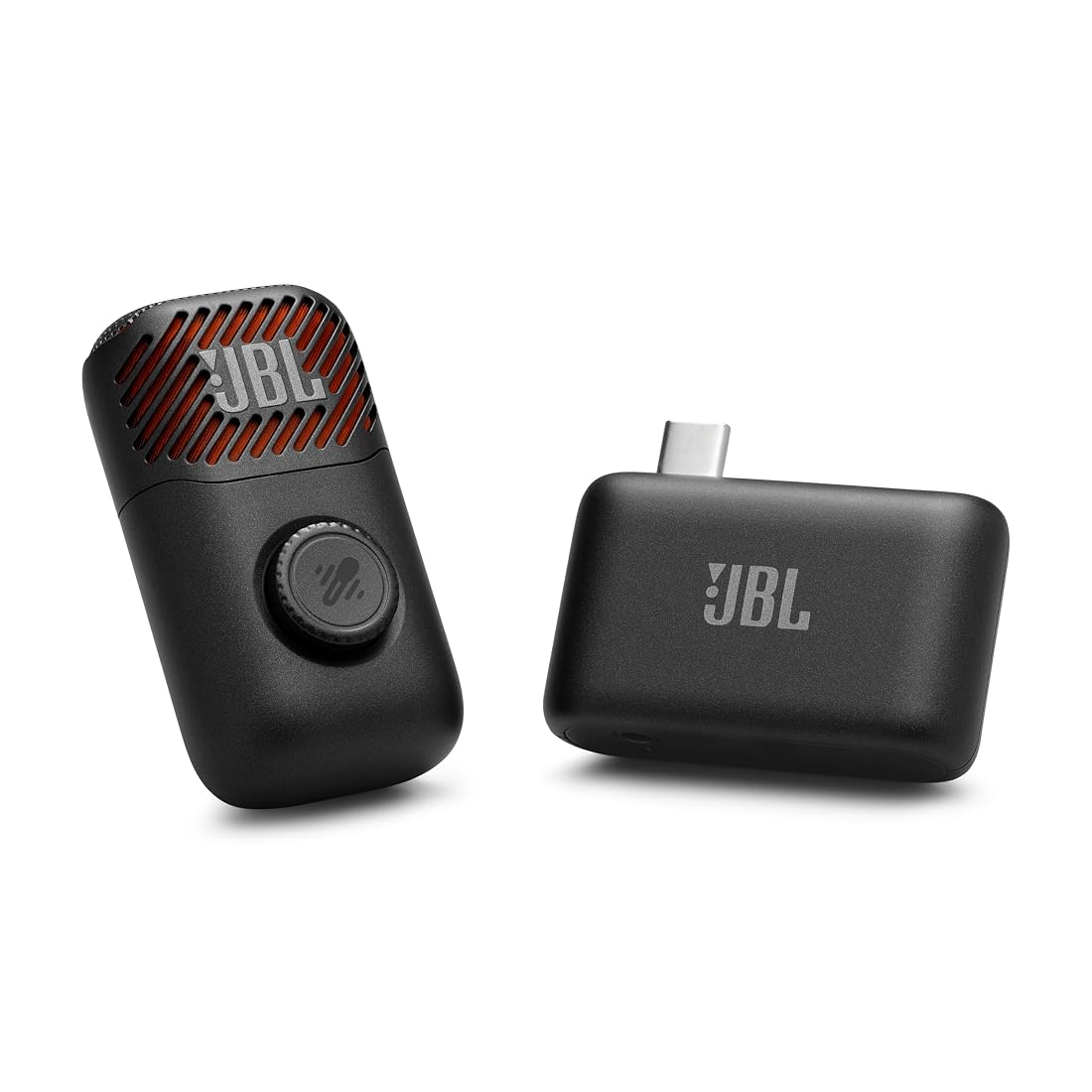
The JBL EasySing Mic Mini enters the consumer vocal audio space as a compact, all-in-one wireless microphone package designed specifically for impromptu karaoke sessions, live streaming, and mobile vocal tracking. Built around a dedicated AI processing dongle, a lightweight wireless microphone, and a custom charging cradle, the system aims to turn existing Bluetooth speakers, laptops,…
As Amazon Associates, we earn from qualifying purchases. This means we may receive a small commission at no extra cost to you if you click through and make a purchase.
The JBL EasySing Mic Mini enters the consumer vocal audio space as a compact, all-in-one wireless microphone package designed specifically for impromptu karaoke sessions, live streaming, and mobile vocal tracking. Built around a dedicated AI processing dongle, a lightweight wireless microphone, and a custom charging cradle, the system aims to turn existing Bluetooth speakers, laptops, and smartphones into complete entertainment setups. Our one-line verdict: It is an impressively versatile and portable vocal tool for casual social singing, but its reliance on a proprietary multi-connection dongle and modest signal-to-noise performance means technical enthusiasts and studio vocalists should understand its hardware limits before purchasing.
This hardware suits party hosts, hobbyist singers, and on-the-move creators who want an effortless way to isolate vocals from standard audio tracks without carrying heavy external mixers or specialized PA gear. However, professional vocalists who require balanced XLR connectivity, swappable high-capacity battery packs, or ultra-low noise floors for professional studio production will find the system inadequate for critical sound engineering. Evaluating this device from the lens of a JBL Mini Duet review reveals that understanding your physical setup and long-term hardware reliability is essential before relying on this pocket-sized unit.
JBL EasySing Mic Mini spec sheet
| Model Number | JBLESMICMINIAM |
|---|---|
| Audio Output Mode | Stereo |
| Mounting Configuration | Tabletop Mount and Magnetic Clip |
| Frequency Response | 20 Hz (Baseline) |
| Signal-to-Noise Ratio | 59 dB |
| Wireless Protocols | 2.4 GHz RF (AI Dongle) and Bluetooth |
| Physical Connectivity | USB-C and Auxiliary Out |
| Total Unit Weight | 216 grams |
| Claimed Battery Runtime | Up to 6 hours |
| Included In The Box | Microphone, AI Dongle, Carrying Case, Quick Start Guide, Safety Instructions |
| Warranty Coverage | 1-Year Manufacturer Limited Warranty |
Every field from the listing (25)
| 0 | Audio Output Mode, Stereo |
|---|---|
| 1 | Mounting Type, Tabletop Mount |
| 2 | Additional Features, Noise Canceling |
| 3 | Antenna Location, Streaming |
| 4 | Color, Black |
| 5 | Control Method, App |
| 6 | Frequency Response, 20 hertz |
| 7 | Signal-to-Noise Ratio, 59 db |
| 8 | Item Dimensions D x W x H, 5.6"D x 5.3"W x 2.6"H |
| 9 | Item Weight, 216 g |
| 10 | Connectivity Technology, Auxiliary, Bluetooth |
| 11 | Wireless Technology, Bluetooth |
| 12 | Connectivity Protocol, Bluetooth, USB, Auxiliary |
| 13 | Brand, JBL |
| 14 | Model Number, JBLESMICMINIAM |
| 15 | Model Name, EasySing Mic Mini |
| 16 | Built-In Media, 1 x AI Dongle, 1 x Carrying Case, Microphone, Quick Start Guide, Safety Instructions |
| 17 | Warranty Description, 1 Year Manufacturer |
| 18 | Number of Items, 1 |
| 19 | UPC, 050036422925 |
| 20 | Manufacturer, JBL |
| 21 | Best Sellers Rank, #2,258 in Musical Instruments (See Top 100 in Musical Instruments) #7 in Multipurpose Dynamic Microphones |
| 22 | ASIN, B0GP2W4CS2 |
| 23 | Compatible Devices, Amplifier, Karaoke Machine, Laptop, Smartphone, Tablet |
| 24 | Number of Batteries, 1 Lithium Polymer batteries required. |
Quoted from the product listing. We did not measure these figures.
01Wireless Dongle Performance and Connectivity Reliability
The core architecture of this microphone system hinges entirely on its dual-mode transmission, which pairs a low-latency 2.4 GHz radio frequency link between the mic capsule and its companion AI dongle with secondary Bluetooth and wired analog output methods. In typical indoor living room environments, the 2.4 GHz link delivers low vocal latency, avoiding the disorienting delay that frequently plagues conventional Bluetooth vocal setups. This immediate vocal feedback is essential for live singing, as human speech perception falters when vocal monitoring is delayed by even a fraction of a second. By handling the real-time audio pipeline through the proprietary transmitter, the system keeps spoken words and singing notes locked tightly to the underlying music playback.
However, potential jbl easysing mic mini connectivity issues stem from the crowded nature of the 2.4 GHz radio spectrum. In dense urban apartments or spaces packed with active dual-band Wi-Fi routers, smart home hubs, and multiple Bluetooth devices, RF congestion can lead to intermittent micro-dropouts if line-of-sight is broken. While the listing notes that the transmitter maintains connection across reasonable room distances, positioning the dongle directly behind a heavy television chassis or inside an enclosed audio cabinet degrades the signal path. Users pairing the transmitter with an outdoor speaker like the boom box 4 should position the receiver on the exterior port face to preserve an unobstructed line of sight.
Physical port strain represents another long-term mechanical reliability consideration. The AI dongle is designed to plug directly into USB-C ports on smartphones, tablets, or laptops, as well as auxiliary line inputs on traditional audio amplifiers. Because the dongle protrudes outward from the host device, accidental bumps, drops, or table leverage can place physical torque on both the dongle connector and the host device socket. While the lightweight 216-gram footprint of the full kit makes it easy to transport, using an intermediary flexible cable adapter in high-traffic party environments is a prudent reliability practice to avoid bending the integrated connector.
02Audio Processing and AI Vocal Removal Performance
The standout feature of this system is jbl easysing mic mini ai vocal removal, an onboard digital signal processing algorithm that actively strips or suppresses lead vocals from standard stereo audio feeds in real time. Through either physical mic toggles or the companion JBL One application, users can adjust vocal suppression across three distinct steps: 25 percent, 50 percent, and 100 percent. The incremental settings are particularly practical, allowing users to soften an intimidating original lead vocal track while preserving the underlying harmony and backing chorus to guide amateur singers during complex vocal runs.
From an acoustic evaluation standpoint, real-time vocal cancellation operates through center-channel phase inversion combined with algorithmic frequency gating. When engaged at the full 100 percent level on heavily compressed modern pop tracks, the processing inevitably introduces acoustic artifacts. Listeners will notice a slight hollow quality in the snare drum crack and center-panned rhythm instruments, as the DSP must dynamically carve out the human vocal frequency spectrum between 300 Hz and 3.5 kHz. This is a fundamental acoustic compromise of single-pass AI separation rather than a defect of this specific hardware, but buyers should understand that real-time vocal reduction will not produce a studio-isolated instrumental track.
The vocal enhancement suite also incorporates voice boost, high-pitch compensation, and natural reverb to support singers reaching for higher registers. While these assistive algorithms help thin voices cut through heavy bass mixes, the documented jbl easysing mic mini specs reveal an analog signal-to-noise ratio of 59 dB. In high-energy karaoke environments, this modest SNR is imperceptible beneath pounding dance beats. However, if you attempt to use this microphone for quiet podcast voice tracking, audiobook narration, or delicate acoustic instruments, a faint background hiss will be audible in the silent spaces between words.
03Hardware Compatibility and Ecosystem Integration
A major purchasing consideration is understanding true jbl easysing mic mini compatibility across varied consumer electronics. JBL has engineered the microphone to link natively with their wider portable entertainment line, including selected PartyBox models, high-output boomboxes, and mobile devices supporting standard USB Audio Class protocols or 3.5 mm auxiliary inputs. When connected via USB-C to a modern smartphone or laptop, the receiver acts as a plug-and-play digital audio interface, requiring no third-party driver installations to feed clean vocal audio into recording apps, mobile video editors, or conferencing platforms.
Integration with existing household home theater setups requires careful checking of port types. If you intend to run the microphone into a living room television bar like the jbl bar 700 mk2, the soundbar must offer an active analog auxiliary input or compatible low-latency line pass-through. Trying to stream the mic audio through standard consumer Bluetooth back to a soundbar or smart television introduces noticeable software-induced latency, resulting in an echo effect where your voice projects through the room noticeably after your lips move. Direct physical connection via the dongle’s Aux or USB interface remains mandatory for synchronized real-time singing.
Software configuration is anchored by the JBL One mobile application, which allows users to monitor wireless signal integrity, toggle vocal reduction thresholds, and apply over-the-air firmware updates. The app interface is straightforward, minimizing pre-party setup friction. However, relying on software controls creates an external dependency; buyers who prefer fully physical hardware controls will need to memorize the multifunction button presses directly on the microphone stem to adjust suppression levels on the fly without pulling out their smartphone.
04Battery Life and Long-Term Hardware Durability
Portable entertainment gear lives and dies by its battery performance, and jbl easysing mic mini battery life is rated at up to 6 hours of continuous operational runtime. For casual family gatherings, evening backyard parties, or single podcast episodes, 6 hours provides ample operational headroom. The integrated charging case functions as an organized protective dock, housing both the microphone capsule and the wireless AI dongle side-by-side so both components replenish their internal lithium cells simultaneously from a single charging connection.
Long-term battery degradation is an inherent risk that buyers must anticipate. Because the miniature microphone capsule and wireless dongle utilize small, permanently sealed internal lithium cells, their chemical capacity will naturally decline after several hundred recharge cycles. The product listing provides no mechanism for user-serviceable battery replacement. Once the internal cells drop below their usable voltage threshold after years of frequent usage, the continuous operating time between charges will shorten. For weekend party users, this wear will remain negligible for years, but continuous daily live-streamers will wear through battery cycles rapidly.
From an environmental and material perspective, JBL has manufactured the device using post-consumer recycled plastics, packaged inside FSC-certified cardboard printed with soy-based inks. The physical shell features a functional tabletop mounting orientation as well as an integrated magnetic clip and ring handle. The magnetic shirt mount holds the microphone firmly against light cotton shirts and jackets, allowing hands-free movement during performances. However, vigorous jumping or dancing during energetic karaoke tracks can dislodge magnetic mounts, making a secondary physical clip-on attachment necessary for active stage movement.
05Warranty Support and Failure Points
The system is backed by a standard 1-year manufacturer limited warranty that covers defects in materials and manufacturing workmanship under normal consumer usage. Navigating jbl easysing mic mini warranty support requires retaining your original retail sales receipt and serial documentation, which is printed on the physical packaging and accessible through product registration. JBL maintains an established global service network, but warranty terms strictly exclude accidental damage, moisture intrusion, physical port breakage from leveraged drops, and loss of separate hardware components.
Component loss represents the single greatest vulnerability of this product design. Unlike traditional handheld wireless microphones where the receiver is a bulky tabletop base station, the EasySing Mic Mini relies on an ultra-compact dongle barely larger than a standard thumb drive. If this proprietary AI receiver is lost, crushed in transit, or left behind at a venue, the primary wireless singing and AI vocal reduction functions cannot operate through generic third-party Bluetooth receivers. Buyers should cultivate the strict habit of immediately returning both the microphone capsule and the AI dongle into the molded slots of the magnetic charging case after every session.
When assessing overall mechanical resilience against rugged outdoor gear like the jbl extreme 3, this microphone does not carry explicit IP-rated dust or waterproof certifications in its technical specifications. The acoustic grilles and exposed port contacts on the dongle mean the system should never be exposed to sudden rainstorms, spilled party drinks, or sandy beach environments. It is engineered primarily as a consumer social vocal tool rather than an armored field recording rig.
The verdict
JBL EasySing Mic Mini
8.4/10
Our score
Mostly positive
Scores are out of 10, based on listed specifications and buyer feedback.
When asking is jbl easysing mic mini worth it, the answer depends almost entirely on how you define your audio expectations. As a dedicated entertainment accessory, the microphone excels at dismantling technical barriers. By embedding real-time AI vocal suppression directly into a pocketable hardware format, it eliminates the need to hunt down karaoke-specific instrumental tracks, allowing families and party guests to sing along with virtually any song on their streaming playlists. The magnetic mounting, intuitive JBL One app connectivity, and included dual-charging carry case make it an undeniably clever social gadget.
Nevertheless, smart buyers must respect the hardware trade-offs that make this portability possible. The 59 dB signal-to-noise ratio, digital phase artifacts during aggressive 100 percent vocal suppression, and complete operational reliance on an easily misplaced micro-dongle keep this unit firmly in the consumer lifestyle camp. If you enter the purchase looking for an easy, laughter-filled social karaoke tool that pairs effortlessly with your existing portable Bluetooth speaker setup, the EasySing Mic Mini delivers reliable, fun-focused performance that justifies its spot in your party bag.
Pros
- Real-time AI vocal suppression at three levels
- Versatile 2.4 GHz, Bluetooth, and Aux connectivity
- Protective case charges mic and dongle together
- Lightweight pocket design with magnetic clip
- Simple control via physical mic or app
Cons
- Modest 59 dB SNR limits studio recording
- Losing proprietary AI dongle breaks wireless function
- Non-replaceable internal lithium battery
Buy it if
- You regularly host casual living room or backyard karaoke nights and want real-time vocal suppression without buying costly specialized backing tracks.
- You already own compatible portable speakers or PartyBox sound systems and want a seamless, cable-free wireless microphone addition.
- You need a dead-simple, plug-and-play USB-C audio interface to capture clear spoken vocals for casual mobile vlogs and social livestreams.
- You value compact travel readiness, benefiting from an all-in-one charging case that secures both the mic and the receiver simultaneously.
Skip it if
- You need pristine studio-grade vocal recordings free of background noise floor, where an SNR above 75 dB and balanced XLR outputs are mandatory.
- You manage long commercial performance events requiring hot-swappable AA batteries rather than waiting for an integrated battery to recharge.
- You are prone to misplacing small accessories, as losing the proprietary AI dongle disables the device’s wireless functionality.
See it on AmazonAffiliate link. Price and stock change at Amazon, not here.
Questions buyers ask
How does the AI vocal removal function work on the microphone?
The system utilizes an integrated digital signal processor inside the wireless dongle to analyze incoming stereo music tracks in real time. It identifies center-panned vocal frequencies and applies dynamic phase inversion and spectral gating to attenuate the lead singer by 25 percent, 50 percent, or 100 percent, allowing your own voice through the microphone to take the lead.
Can the microphone connect directly to any speaker without using the dongle?
While the microphone supports standard connectivity modes, real-time vocal transmission and AI vocal stripping require the 2.4 GHz AI dongle to process the audio pipeline. You must connect the dongle to your speaker via a 3.5 mm auxiliary line or compatible USB-C port to avoid the unacceptable audio latency inherent to standard Bluetooth vocal streaming.
What is the typical battery runtime during continuous use?
The internal rechargeable battery provides up to 6 hours of continuous operational playtime on a full charge. Both the microphone capsule and the wireless AI dongle recharge concurrently when seated inside the magnetic contacts of the included protective carrying case.
How does JBL handle warranty claims if the AI dongle is lost or damaged?
The 1-year manufacturer warranty covers internal electronic failures, charging defects, and workmanship issues under normal operating conditions. It does not cover accidental loss, physical drops, or crushed connector pins. Because the dongle is a specialized proprietary receiver, losing it requires purchasing a direct replacement part through authorized manufacturer support channels.
Is the microphone suitable for professional studio vocal recording?
No, the microphone is engineered primarily for mobile karaoke, social gatherings, and casual streaming. With a specified signal-to-noise ratio of 59 dB, the internal preamplification will introduce an audible noise floor during quiet vocal passages, making dedicated studio condenser microphones with balanced audio interfaces the appropriate choice for commercial recording.
How this review was put together
- Specs are quoted from the Amazon listing, not measured in a lab.
- The score is out of 10, based on listed specifications and buyer feedback.
- Prices were read from the listing when this page was last built and move without notice.
1,119 reviews · 1,445 rated products · 87 brands tracked
We earn a commission when you buy through our Amazon links. That never changes a score.


