Panasonic Lumix DMC-ZS8: What Buyers Must Know About Durability and Support
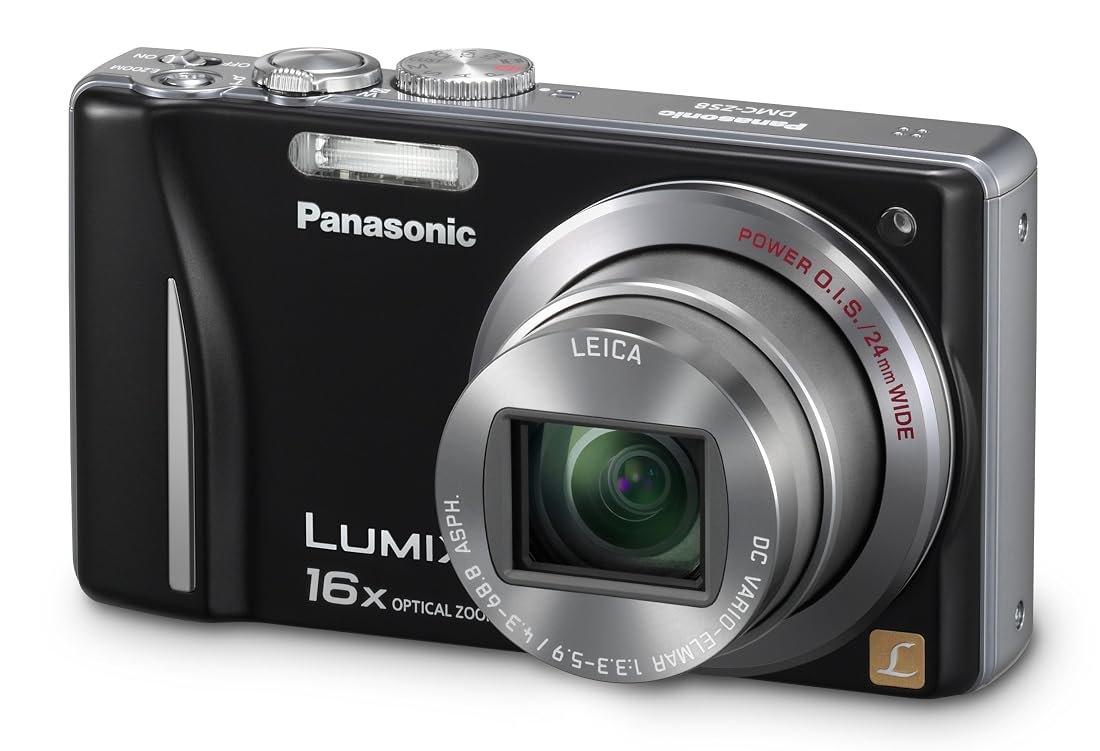
The Panasonic Lumix DMC-ZS8 is an older compact camera featuring a 14.1-megapixel CCD sensor, a 16x optical zoom lens, and built-in optical image stabilization. Designed during the prime era of portable travel zooms, it packs considerable telephoto reach into a lightweight 7.36-ounce frame. The verdict for today’s shopper is one of caution: while it offers…
As Amazon Associates, we earn from qualifying purchases. This means we may receive a small commission at no extra cost to you if you click through and make a purchase.
The Panasonic Lumix DMC-ZS8 is an older compact camera featuring a 14.1-megapixel CCD sensor, a 16x optical zoom lens, and built-in optical image stabilization. Designed during the prime era of portable travel zooms, it packs considerable telephoto reach into a lightweight 7.36-ounce frame. The verdict for today’s shopper is one of caution: while it offers nostalgic CCD color rendition and pocketable zoom, its discontinued status, lack of warranty, and aging mechanical components make it a risky purchase.
This model suits casual hobbyists and vintage digital photography enthusiasts looking for an ultra-portable daylight camera with retro character. However, anyone requiring reliable manufacturer warranty coverage, low-light versatility, or modern video should look elsewhere, perhaps investigating contemporary alternatives such as the panasonic lumix zs99 for travel needs.
Panasonic Lumix DMC-ZS8 spec sheet
| Sensor Type | CCD |
|---|---|
| Effective Resolution | 14.1 Megapixels |
| Optical Zoom | 16x Wide Angle |
| Image Stabilization | Optical |
| Screen Size | 3.0 Inches |
| Shutter Speed | 1/4000 to 60 Seconds |
| File Format | JPEG |
| Expanded ISO Minimum | ISO 100 |
| Exposure Modes | Automatic, Scene |
| Item Weight | 7.36 Ounces |
Quoted from the product listing. We did not measure these figures.
01Mechanical Lens Assembly and Optical Zoom Performance
The defining feature of this model is the panasonic lumix dmc optical zoom system, which packs a 16x wide-angle range into a compact body. The product listing notes that this 16x optical zoom keeps the subject sharp while giving the background a soft focus, enabling attractive subject isolation at telephoto lengths. However, multi-stage telescoping lens barrels rely on delicate internal gearing and flexible ribbon cables. As an older model, the mechanical extension mechanism is inherently vulnerable to physical wear and grit accumulation over years of operation.
To support handheld shooting across this 16x focal length, the camera incorporates hardware-based optical image stabilization. Optical stabilization physically shifts lens elements inside the assembly to counteract hand tremors, which is vital at telephoto extensions where minor hand movements ruin sharpness. The integrated stabilizer helps keep daytime shots crisp without needing a tripod, compensating for the physical limitations of shooting with a compact telephoto setup.
Despite the functional benefits of long zoom reach, prospective owners must treat the motorized barrel with care. In older point-and-shoot cameras, internal dust can enter through the gaps between barrel stages during zooming, potentially causing internal friction or lens errors. Because the camera uses a fixed lens assembly rather than an interchangeable system, any failure within the motorized drive permanently disables the camera.
02CCD Sensor Characteristics and Low-Light Limitations
Image capture relies on a 1/2.33-inch CCD sensor delivering 14.1 megapixels of effective resolution. The manufacturer specifies that images remain clear and sharp even when enlarged to A2 size, providing substantial resolution for prints and digital sharing. A major appeal of the panasonic lumix dmc sensor performance lies in its CCD architecture. Many enthusiasts seek out older CCD sensors for their vibrant daylight color rendition, rich skin tones, and strong native contrast, which differ subtly from modern CMOS sensors.
However, the sensor struggles when ambient light falls. The listing highlights an expanded ISO minimum of 100 and shutter speeds spanning from 1/4000 of a second down to 60 seconds. Because CCD sensors generate noticeable heat and noise at higher sensitivities, image quality degrades significantly in dim rooms or night settings. Furthermore, because the camera outputs solely in the JPEG file format, aggressive internal noise reduction smudges fine textures when lighting is poor. Modern compact mirrorless options like the panasonic lumix g100d offer vastly superior low-light performance thanks to larger, updated sensor designs.
Shooting success depends on staying within good lighting. The camera relies exclusively on automatic exposure and scene modes, meaning users cannot manually adjust the aperture to optimize exposure or depth of field. In bright sunlight, the 14.1-megapixel CCD delivers sharp, saturated stills with classic appeal. In dim environments, however, the combination of small sensor size, automated ISO adjustments, and JPEG compression limits dynamic range and clarity.
03Hardware Durability and Panasonic Lumix DMC Common Issues
Assessing long-term panasonic lumix dmc reliability requires recognizing how vintage digital compacts physically age. With an overall weight of 7.36 ounces, the camera was built for casual portability rather than rugged durability. The listing does not specify weather sealing, splash resistance, or drop protection. Consequently, exposure to moisture, sudden temperature shifts, or airborne sand can easily penetrate the seams of the body or the telescoping lens barrel.
When reviewing panasonic lumix dmc common issues, mechanical wear and component degradation are the primary failure points. The built-in 3.0-inch LCD screen acts as the sole viewing and menu interface, as there is no optical viewfinder. Over extended storage periods, aging liquid crystal panels can develop dead pixels, color tinting, or weakened backlights. Additionally, the internal memory backup capacitor can degrade over time, causing the camera to prompt for the date and time after every battery swap.
Mechanical wear also affects the exterior latches and controls. The spring-loaded door over the battery and memory card slot is made of lightweight plastic, and repeated cycling or accidental drops can snap the retaining tabs. Without a secure latch, the battery loses contact, rendering the unit unusable. Buyers considering this older compact must accept that age makes plastic and electronic parts fragile, requiring gentle everyday handling.
04Warranty Coverage and Panasonic Lumix DMC Replacement Parts
A critical risk of buying this camera today is the complete lack of official warranty and customer service support. The listing explicitly classifies the unit as an “OLD MODEL,” confirming that factory production has ceased and manufacturer warranty coverage has expired. Panasonic no longer services this hardware or offers technical assistance for it. Any buyer purchasing this model assumes total financial responsibility for maintenance and potential failures.
Finding genuine panasonic lumix dmc replacement parts presents another major obstacle. Dedicated parts—such as replacement 3.0-inch LCD screens, zoom motor assemblies, shutter buttons, and main system boards—are no longer produced by the manufacturer. If a component breaks, owners must either locate used donor cameras for parts or attempt unverified third-party repairs. Given the complexity of compact camera internals, professional repair labor costs will typically exceed the value of the camera itself.
This reality directly influences whether the panasonic lumix dmc is worth it for everyday use. While the camera may provide nostalgic fun, the absence of an official repair pipeline means that any serious mechanical failure will effectively end the device’s working life. Shoppers seeking long-term reliability and manufacturer backing should weigh these support limitations heavily before deciding to buy.
05Controls, Autofocus Speed, and Handling
The camera is equipped with Panasonic’s Sonic Speed AF system, which features a higher-speed actuator to drive focus elements rapidly into position. For outdoor daytime snapshots, this autofocus system acquires targets swiftly, minimizing shutter lag and helping capture candid street scenes or moving subjects. The focus mechanism works in harmony with the camera’s automated metering, allowing users to point and shoot without complex setup procedures.
In daily operation, the camera excels in sheer portability. At 7.36 ounces, the body represents a lightweight panasonic lumix dmc for travel that easily slips into a jacket pocket or small purse. The 3.0-inch rear LCD provides ample screen real estate for framing compositions, supporting a 16:9 aspect ratio mode for wide-angle landscape framing. The shutter speed range of 1/4000 to 60 seconds provides enough flexibility to freeze fast daytime action or capture long exposures in scene modes.
The operational limitations lie in its automated control structure. The camera provides automatic and scene shooting modes, omitting manual aperture or shutter priority dials. Advanced photographers cannot manually control depth of field or dial in custom exposure compensation curves. Additionally, because the camera records only JPEG files without RAW support, you cannot recover blown highlights or adjust white balance during post-production. For beginners or casual users, the automated controls ensure straightforward operation, but they restrict creative flexibility.
The verdict
Panasonic Lumix DMC-ZS8
8.6/10
Our score
Mostly positive
Scores are out of 10, based on listed specifications and buyer feedback.
The Panasonic Lumix DMC-ZS8 captures the appeal of early 2010s travel zoom cameras. Its core advantages—a long 16x optical zoom lens, optical image stabilization, responsive Sonic Speed AF, and an ultra-light 7.36-ounce body—make it an enjoyable pocket camera for sunny vacations, nature walks, and retro photography projects. Under bright sunlight, the 14.1-megapixel CCD sensor delivers punchy, vivid JPEGs that carry distinct character.
However, buyers must approach this model with realistic expectations regarding durability and product support. Because it is an older discontinued model, you receive no factory warranty, no authorized service, and no simple way to source genuine replacement parts if the motorized zoom or LCD fails. Combined with poor low-light capability and lack of manual exposure controls, it remains a niche option for vintage tech enthusiasts rather than a dependable primary camera for modern everyday use.
Pros
- 16x optical zoom lens
- Hardware optical image stabilization
- Sonic Speed AF with high-speed actuator
- Lightweight 7.36-ounce compact body
- Large 3.0-inch LCD screen
Cons
- Discontinued model with no warranty
- Limited low-light CCD sensor performance
- Automatic and scene exposure modes only
- Scarcity of official replacement parts
Deciding whether to buy this legacy camera requires balancing its optical reach against the realities of aging hardware. A thorough look at the panasonic lumix dmc specs shows an affordable, pocket-sized zoom camera tailored for simple outdoor daylight photography, but its lack of warranty and low-light limits mean it is not for everyone.
Buy it if
- You want a pocketable 7.36-ounce camera with a versatile 16x optical zoom for bright outdoor travel and family snapshots.
- You specifically enjoy the nostalgic color profiles, warm tones, and high-contrast rendering of an older 14.1-megapixel CCD sensor.
- You prefer simple point-and-shoot operation with fast Sonic Speed AF and automatic scene modes without complex manual settings.
- You understand the fragility of older telescoping lens mechanisms and are comfortable buying an older model without warranty support.
Skip it if
- You need active manufacturer warranty protection, reliable customer service, or guaranteed access to replacement parts.
- You frequently shoot in low light or indoors, where the small CCD sensor produces noticeable noise and soft JPEG images.
- You want manual exposure controls, RAW image files, or modern high-definition video features.
See it on AmazonAffiliate link. Price and stock change at Amazon, not here.
Questions buyers ask
Does the Panasonic Lumix DMC-ZS8 include a manufacturer warranty?
No. The camera is officially designated as an old model, meaning factory warranty programs and official repair services ended years ago. Purchases today are made without manufacturer backing or warranty protection.
Can the lens on the Panasonic Lumix DMC-ZS8 be replaced if damaged?
No. The camera has a permanently integrated 16x optical zoom lens rather than an interchangeable mount. If the motorized barrel or internal gears are damaged, repair requires complete disassembly using parts harvested from used donor cameras.
Does this camera support RAW format photography?
No. The camera records still photographs exclusively in the standard JPEG format. It does not provide RAW file capture, limiting flexibility when correcting exposures or white balance in editing software.
What type of image stabilization is built into the camera?
The camera features optical image stabilization. This system uses physical shifting elements inside the lens barrel to counteract hand tremor, helping to keep images sharp at telephoto zoom ranges.
How well does the camera perform in low-light environments?
The camera offers limited low-light performance due to its compact 1/2.3-inch CCD sensor. Because CCD sensors generate high noise at elevated sensitivities and the camera relies on automated JPEG noise reduction, indoor and night photos often show noise and softened details.
How this review was put together
- Specs are quoted from the Amazon listing, not measured in a lab.
- The score is out of 10, based on listed specifications and buyer feedback.
- Prices were read from the listing when this page was last built and move without notice.
1,119 reviews · 1,445 rated products · 87 brands tracked
We earn a commission when you buy through our Amazon links. That never changes a score.